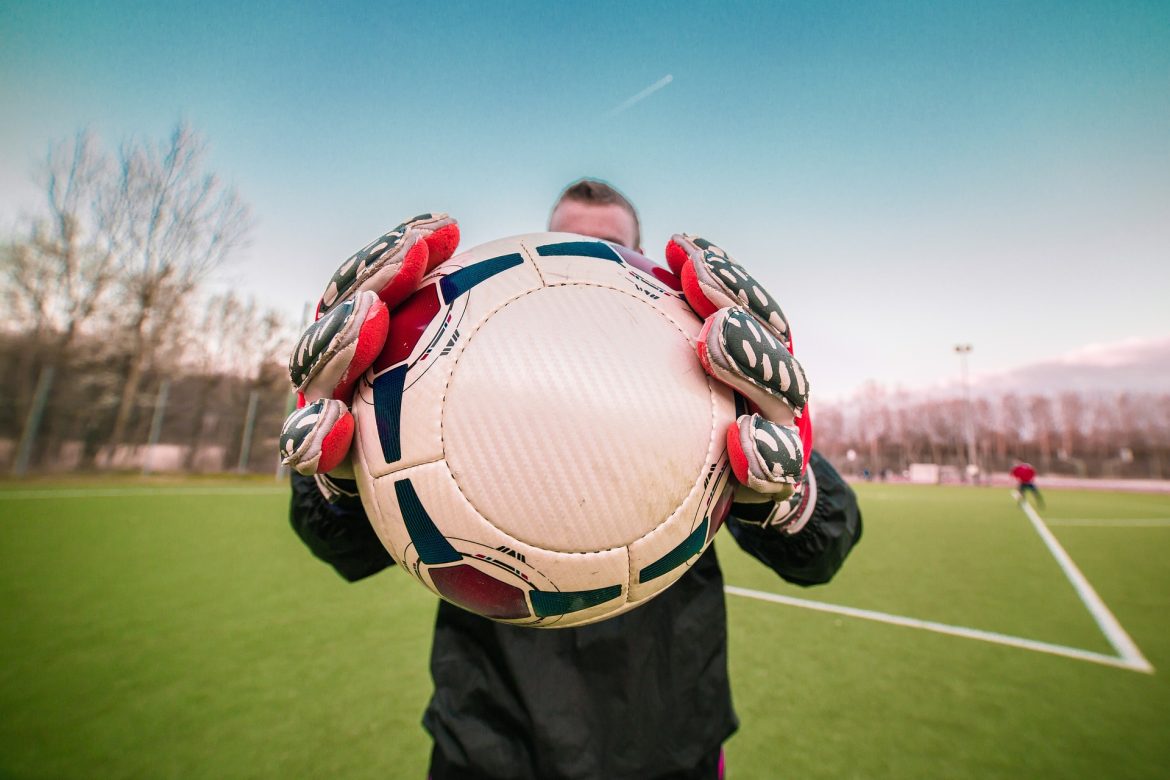
If you play football, you know how important it is to be able to distribute the ball effectively and efficiently. You need to be able to pass, cross, dribble, or shoot the ball with accuracy, speed, and creativity. But with so many factors involved, such as pressure, space, time, and movement, how do you master this essential skill for football? Here are some tips and recommendations to help you out.
What is Ball Distribution?
Ball distribution is the ability to move the ball from one point to another on the pitch. It can be done by any player on the field, but it is especially important for goalkeepers and midfielders who often initiate or orchestrate the attacks. Ball distribution can be done in different ways.
- Passing: The most common way of distributing the ball is by passing it to a teammate. Passing can be done with different parts of the foot, such as the inside, outside, instep, or heel. Passing can also vary in distance, direction, speed, and spin. Passing can be used to maintain possession, create space, break lines, or create chances.
- Crossing: A type of passing that involves sending the ball from the wide areas of the pitch into the penalty area or near the goal. Crossing can be done with different techniques, such as low, high, driven, curled, or chipped. Crossing can be used to create scoring opportunities for teammates or oneself.
- Dribbling: The ability to control and manipulate the ball with one’s feet while moving. Dribbling can be done with different skills, such as changes of direction, speed, or pace. Dribbling can be used to evade opponents, create space, penetrate defenses, or create chances.
- Shooting: The act of attempting to score a goal by kicking the ball towards the target. Shooting can be done with different techniques, such as power, placement, curve, or volley. Shooting can be used to finish an attack or take advantage of an opportunity.
How to Improve Your Ball Distribution
To improve your ball distribution skills, you need to practice regularly and deliberately. Here are some tips on how to practice your ball distribution:
- Work on your technique: The first step is to work on your technique and master the basics of passing, crossing, dribbling, and shooting. You should practice with both feet and different parts of your foot. You should also practice with different types of balls and surfaces. You should focus on your accuracy, speed, and consistency.
- Work on your decision-making: The next step is to work on your decision-making and awareness of the game situation. You should practice with different scenarios and variables, such as pressure, space, time, and movement. You should also practice with different teammates and opponents. You should focus on your vision, anticipation, and creativity.
- Work on your fitness: The final step is to work on your fitness and endurance. You should practice with high intensity and frequency. You should also practice with different drills and exercises that challenge your physical and mental abilities. You should focus on your agility, balance, and coordination.
How to Apply Your Ball Distribution Skills
To apply your ball distribution skills in a game situation, you need to follow some general principles and guidelines. Here are some tips on how to apply your ball distribution skills:
- Know your role: Depending on your position and formation on the field, you may have different responsibilities and expectations when it comes to distributing the ball. For example, a goalkeeper may have to distribute the ball quickly and accurately to start a counterattack or relieve pressure.
- Know your options: Before you receive or release the ball, you should scan the field and identify your options. You should look for teammates who are open or making runs. You should also look for opponents who are marking or pressing you. You should weigh the pros and cons of each option and choose the best one based on the game situation.
- Know your outcome: After you distribute the ball, you should follow up and anticipate the outcome. You should look for feedback from your teammates or coaches. You should also look for opportunities to support or continue the play. You should learn from your mistakes and successes and adjust your distribution accordingly.
Conclusion
Ball distribution is a vital skill for soccer that requires technique, decision-making, and fitness. To master this skill, you need to practice regularly and deliberately with different drills and exercises that challenge your abilities. You also need to apply this skill in a game situation with different principles and guidelines that suit your role and situation. By improving your ball distribution skills, you can become a more effective and efficient goalkeeper on the field.