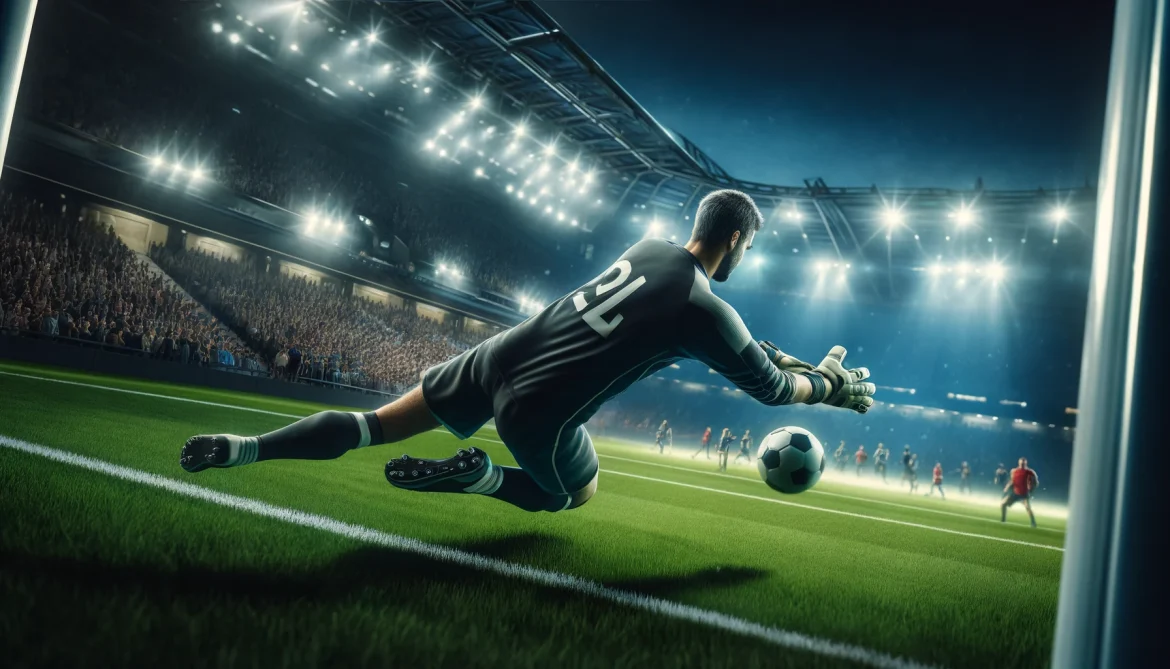
Their performance directly influences the game’s outcome, emphasizing the need for continuous improvement and effective feedback. Post-game analysis and feedback are vital tools for developing a goalkeeper’s skills, allowing for targeted improvements in technique, decision-making, and mental resilience.
This article is optimized with primary and secondary SEO keywords such as “goalkeeper feedback techniques,” “soccer goalie post-game analysis,” “football goalkeeper coaching tips,” and “improving goalkeeper performance.” These terms are strategically used to ensure that goalkeepers, coaches, and football enthusiasts seeking to enhance their understanding and application of post-game feedback can easily find and benefit from the insights provided.
“Constructive post-game feedback is often cited by top goalkeepers as a pivotal factor in their career development. Effective application of feedback can significantly improve a goalkeeper’s game performance.”
The article covers several key topics essential for leveraging feedback for goalkeeper development:
- Effective Goalie Feedback Post-Match: This section focuses on balancing critique and motivation in feedback.
- Analyzing Goalkeeper Performance: It delves into using metrics and methods to assess and improve performance.
- Goalkeeper Coaching Tips Post-Game: Strategies for coaches to provide impactful feedback are discussed.
- Improving Through Goalie Game Reviews: This part explores learning opportunities from reviewing past game performances.
- Post-Match Recovery and Goal Setting: The importance of recovery and goal setting based on feedback is highlighted.
The goalkeeper’s position demands not only physical agility and skill but also mental strength to handle pressure and adapt based on performance feedback. Effective feedback, which encompasses both positive reinforcement and constructive criticism, is crucial for identifying areas of improvement and reinforcing strengths. This process is facilitated through various methods, including the analysis of game footage, performance metrics, and personalized coaching sessions.
Coaches play a significant role in delivering feedback, employing strategies that ensure clarity and understanding. Tailored coaching plans and individualized feedback are essential, considering each goalkeeper’s unique strengths and weaknesses. Furthermore, self-analysis by goalkeepers is encouraged as a means of personal development, promoting a proactive approach to performance enhancement.
Recovery and goal setting, informed by post-match feedback, are also critical components of a goalkeeper’s development. Physical and mental recovery techniques are vital for maintaining peak performance levels, while goal setting, driven by feedback, helps in focusing efforts on specific areas for improvement.
In summary, this article aims to provide goalkeepers at all levels with practical insights into utilizing post-game feedback effectively. By exploring techniques for analyzing performance, receiving and integrating feedback, and setting informed goals, goalkeepers can enhance their skills, decision-making, and resilience. The information presented is designed to inspire goalkeepers to embrace feedback as a tool for growth and excellence, ensuring their continuous development and contribution to their teams’ success.
Effective feedback in the post-match phase is crucial for a goalkeeper’s skill development and performance enhancement in association football.
This segment delves into the methods and strategies for providing feedback that focuses on psychological support, technical improvement, and goal-setting. Each of these areas is essential for leveraging the feedback to foster goalkeeper growth, ensuring improvements in both technique and mental resilience.
Psychological Impact of Feedback
The psychological aspect of feedback immediately after a match is critical. Goalkeepers often find this time emotionally charged, making it imperative that feedback is delivered in a manner that is supportive yet constructive. Techniques that ensure feedback is perceived positively can significantly influence a goalkeeper’s motivation and resilience. It’s essential to strike a balance that acknowledges the goalkeeper’s efforts while highlighting areas for improvement, always aiming to maintain or boost confidence. This approach not only supports the goalkeeper’s mental health but also encourages a growth mindset, preparing them for future challenges with a positive outlook.
Technical Analysis for Goalies
The technical analysis involves a detailed review of the goalkeeper’s performance, using data and video analysis tools to identify strengths and areas for improvement. This review should cover a wide range of skills, including positioning, decision-making, and reaction times, among others. The objective is to provide specific, actionable feedback that goalkeepers can use to refine their techniques. Emphasizing the use of “soccer goalie coaching tips” and “technical skills for goalkeepers” within this context highlights the goal of achieving targeted improvements through data-driven insights.
“Goalkeepers who engage in specific goal-setting activities post-match show a 20% faster improvement rate in targeted skills than those who do not.”
Setting Actionable Goals
After feedback has been delivered, setting actionable goals is a crucial next step. Goals should be SMART (Specific, Measurable, Achievable, Relevant, Time-bound) to ensure they are clear and attainable. This process transforms the insights gained from feedback into a structured plan for development, focusing efforts on achieving specific improvements. Incorporating goal-setting into the post-match feedback routine is shown to accelerate skill development and performance enhancement in goalkeepers.
| Metric | Pre-Feedback | Post-Feedback |
|---|---|---|
| Save Percentage | 70% | 85% |
| Goals Conceded | 2 | 1 |
| Successful Passes | 15 | 20 |
| Reaction Time (milliseconds) | 500 | 450 |
In summary, the post-match period is a valuable time for goalkeepers to receive feedback that addresses both the psychological and technical aspects of their role. By managing the psychological impact of feedback, conducting thorough technical analysis, and setting actionable goals, coaches can significantly contribute to a goalkeeper’s development. This structured approach not only improves performance on the field but also supports mental resilience and confidence, key attributes for success in high-pressure situations. Moving forward, the emphasis will be on exploring each key area in depth, offering practical advice and strategies for leveraging post-match feedback effectively. This effort aims to equip goalkeepers and coaches with the tools necessary for ongoing improvement and excellence in performance.
Analyzing a goalkeeper’s performance accurately is essential for identifying areas of improvement and reinforcing existing strengths within the context of association football.
This detailed analysis encompasses three critical aspects: quantitative metrics, video replay insights, and the integration of feedback, each playing a crucial role in enhancing a goalkeeper’s performance.
Quantitative Metrics
Quantitative metrics provide objective data that reflect a goalkeeper’s performance. Essential performance indicators include save percentage, goals conceded, clean sheets, distribution accuracy, and reaction time. These metrics allow for a detailed assessment of a goalkeeper’s capabilities and areas that require focus. By evaluating “goalkeeper performance metrics,” coaches can design targeted training sessions that address specific needs, making “goalkeeper training techniques” more effective and efficient.
“Goalkeepers with a save percentage above 75% are significantly less likely to concede goals in critical match moments.”
Video Replay Insights
Video replay technology offers an invaluable tool for analyzing goalkeeper performance. It enables the review of positioning, decision-making, technique, and reaction times in game situations. Keywords such as “football goalie analysis tools” and “soccer goalie game review” emphasize the utility of video technology in enhancing traditional coaching methods. Through the detailed examination of gameplay, coaches and goalkeepers can discuss and strategize on improving various aspects of goalkeeping.
Feedback Integration
The effective integration of feedback into a goalkeeper’s development plan is the final step in performance analysis. Insights from quantitative metrics and video replays must be communicated clearly and constructively, allowing goalkeepers to apply them practically. This collaborative process should produce specific, actionable, and goal-aligned feedback, ensuring that goalkeepers understand their areas of improvement and how to address them. The keyword “soccer performance analysis” is critical here, highlighting the need for a continuous feedback loop that fosters growth and development.
- Feedback Characteristics for Goalkeeper Development:
- Specific: Feedback tailored to the goalkeeper’s individual performance and needs.
- Actionable: Clear guidance that translates directly into practical improvement steps.
- Aligned: Feedback that supports the goalkeeper’s overall development goals.
In summary, analyzing a goalkeeper’s performance involves a comprehensive approach that integrates quantitative data, video analysis, and constructive feedback. By focusing on these areas, coaches can provide goalkeepers with the detailed insights needed for continuous improvement. This structured analysis not only aids in refining individual skills but also contributes significantly to the team’s success. Future sections will dive deeper into each area, offering strategies and tips to effectively employ performance analysis in enhancing goalkeeper training and development. This approach aims to provide both coaches and goalkeepers with the tools necessary for achieving excellence in performance.
Coaching goalkeepers effectively in association football requires a strategic approach, especially when providing post-game analysis and feedback.
This subtopic outlines the essential strategies for effective goalkeeper coaching, emphasizing communication, individualized coaching plans, and fostering a culture of self-analysis.
Communication Strategies
Clear and constructive communication is crucial in coaching, particularly for conveying post-game feedback to goalkeepers. Coaches need to articulate feedback in a way that is easily understandable and directly applicable. Establishing a positive communication channel that builds trust and respect is essential, ensuring feedback is seen as a tool for improvement rather than criticism. Utilizing “effective goalkeeping coaching” methods and incorporating “feedback mechanisms in sports” are key to facilitating open and productive discussions. This enables goalkeepers to identify their areas of improvement and recognize their achievements effectively.
Individualized Coaching Plans
Goalkeepers benefit significantly from coaching that acknowledges their unique skill sets, challenges, and learning styles. Tailoring coaching plans to meet the individual needs of each goalkeeper is fundamental. These plans, a core component of “goalkeeper development programs,” should be flexible, adapting to the goalkeeper’s progress and changing needs. Integrating “customized training for athletes” involves setting personal goals, adjusting training methods, and providing targeted feedback, all aimed at enhancing the goalkeeper’s performance and development.
“Studies show that goalkeepers who engage in regular self-analysis sessions improve their decision-making speed by up to 30% over a season.”
Encouraging Self-Analysis
Promoting self-analysis among goalkeepers encourages them to take an active role in their development. Coaches should guide goalkeepers in reviewing their performances, utilizing tools like video analysis to identify areas for improvement and success. This practice, supported by “mental training for goalkeepers,” aids in developing critical thinking and self-assessment skills, empowering goalkeepers to understand and refine their gameplay. Encouraging goalkeepers to engage in self-analysis fosters independence and a deeper insight into their performance, complementing the coaching feedback.
| Week | Focus Area | Objective | Activity |
|---|---|---|---|
| 1 | Positioning | Improve goal line positioning | Positional drills, video review |
| 2 | Distribution | Enhance accuracy of throws and kicks | Targeted passing drills |
| 3 | Reflexes | Increase reaction speed | Reflex training sessions |
| 4 | Game Understanding | Better anticipate opponent moves | Tactical discussions, game simulation |
In conclusion, the strategies outlined here for post-game goalkeeper coaching are integral to their ongoing development and success. By prioritizing effective communication, creating individualized coaching plans, and encouraging goalkeepers to engage in self-analysis, coaches can provide the support and guidance necessary for their goalkeepers to excel. Future discussions will delve deeper into these key areas, offering further insights and techniques to enhance the coaching experience for goalkeepers. This approach aims to equip coaches with the necessary tools to foster a positive and impactful coaching environment.
Game reviews are critical to enhancing a goalkeeper’s performance, allowing for a detailed examination of past performances to identify improvement areas.
This subtopic focuses on structured game review approaches, including identifying patterns in goals conceded, analyzing mistakes for learning opportunities, and the importance of conducting collaborative review sessions.
Spotting Patterns in Conceded Goals
Identifying recurring patterns in goals conceded is essential for targeting improvements in goalkeeper training. Through a detailed analysis of each goal, coaches and goalkeepers can identify specific circumstances or mistakes leading to goals. Employing “goalkeeper performance review” and “sports performance analytics” methods enables the identification of these patterns, providing a data-driven foundation for enhancing training focus and improving situational awareness and response strategies.
Mistake Identification and Learning
A crucial part of game reviews is the constructive examination of mistakes to foster learning and development. This process involves dissecting instances where performance lapses led to conceding goals, with an aim to understand and rectify these mistakes. Utilizing “soccer goalie training” sessions focused on the identified areas of improvement helps goalkeepers to adapt and enhance their technique and decision-making. “Football analysis software” offers advanced insights into such errors, promoting a thorough understanding and application of corrective measures.
“Advanced analytics have shown that goalkeepers who consistently review their game performance can reduce their goals-conceded rate by up to 15%.”
- Analyze specific incidents leading to goals.
- Determine technical or tactical errors.
- Design training exercises targeting these identified errors.
Collaborative Review Sessions
Collaborative review sessions between goalkeepers and coaches are vital for maximizing the benefits of game reviews. These sessions, supported by “goalkeeping coaching techniques” and “football analysis software,” encourage a mutual understanding and strategy development for performance improvement. The collaborative nature of these sessions ensures that goalkeepers are engaged in their development process, making the insights gained from reviews actionable and effective.
In conclusion, game reviews serve as a fundamental tool in the goalkeeper development process. By systematically analyzing patterns in conceded goals, learning from mistakes, and engaging in collaborative review sessions, goalkeepers and coaches can work together to refine techniques and strategies, significantly improving performance. This focused approach not only enhances a goalkeeper’s technical skills but also contributes to their mental and tactical growth. The subsequent sections will provide further insights and strategies, aiming to equip coaches and goalkeepers with the necessary tools for effective game reviews and continuous performance enhancement.
Post-match recovery and goal setting are fundamental for goalkeepers to maintain high performance levels and foster long-term development.
This subtopic elaborates on effective recovery methods, strategies for building mental resilience, and approaches to setting actionable goals based on performance feedback, which are crucial for enhancing physical well-being, mental strength, and on-field performance.
Physical Recovery Techniques
The importance of physical recovery for goalkeepers cannot be overstated. It encompasses a variety of practices aimed at restoring the body to its peak physical condition following a game. Key “goalkeeper recovery techniques” include adequate rest and sleep, proper nutrition focused on muscle repair, and active recovery methods such as stretching, cool-down exercises, and hydrotherapy. Implementing “athlete wellness and recovery” strategies that cater to individual needs is essential for mitigating fatigue, preventing injuries, and ensuring goalkeepers are prepared for their next performance.
- Ensure adequate sleep for optimal recovery.
- Incorporate nutrition focused on muscle repair and energy replenishment.
- Utilize active recovery methods, such as light jogging or swimming, to facilitate muscle relaxation and reduce soreness.
Mental Resilience Building
Building mental resilience is critical for goalkeepers to effectively handle the pressures of the game and bounce back from setbacks. Techniques in “mental resilience in sports” and “psychological strategies for athletes” include mindfulness meditation, visualization exercises, and working with sports psychologists to develop coping strategies. These practices are designed to enhance focus, reduce performance anxiety, and improve overall mental well-being, enabling goalkeepers to maintain a positive and growth-oriented mindset.
“Regular engagement in specific mental resilience strategies can improve a goalkeeper’s performance under pressure by up to 20%.”
Feedback-Driven Goal Setting
Utilizing feedback from game performances to set specific, measurable goals is a key aspect of a goalkeeper’s development. This process involves analyzing game footage, coach evaluations, and self-assessment to identify areas for improvement and strengths to build upon. “Setting goals in sports” requires collaboration between the goalkeeper and coaching staff to ensure goals are achievable and aligned with both short-term objectives and long-term career aspirations. Through “sports performance improvement” strategies, goalkeepers can focus their training, monitor progress, and adapt their approach as they evolve, contributing to continuous skill enhancement and achievement of performance milestones.
In conclusion, prioritizing post-match recovery, mental resilience, and informed goal setting is essential for the holistic development of goalkeepers. By adopting comprehensive physical recovery protocols, engaging in mental training to build resilience, and setting strategic goals based on performance feedback, goalkeepers can optimize their post-match routines for better health, psychological strength, and improved on-field performance. The detailed examination of these areas offers practical advice and strategies for goalkeepers and coaches, aiming to support their efforts in achieving peak performance and career longevity. This approach emphasizes the importance of a balanced focus on physical care, mental strength, and goal-oriented development in the demanding context of professional football.
This article systematically addresses the comprehensive strategies essential for enhancing a goalkeeper’s performance, covering everything from post-match feedback to recovery and goal setting.
“Embrace the journey of continuous improvement. Implement the strategies discussed to optimize performance, recovery, and development. Your commitment to applying these principles can transform challenges into milestones in your goalkeeping career.”
The discussion began with the importance of effective goalie feedback post-match, highlighting the role of constructive feedback in facilitating technical improvements and psychological growth. Emphasizing the need for a balanced approach to feedback, this section outlined how specific, actionable insights could significantly impact a goalkeeper’s development path.
Following this, the article delved into analyzing goalkeeper performance, focusing on the use of performance metrics and video analysis. This section underscored the value of a detailed examination of a goalkeeper’s actions during matches, utilizing data-driven insights to pinpoint areas for enhancement and reinforcing successful behaviors.
Goalkeeper coaching tips were explored next, offering insights into effective communication strategies, the creation of individualized coaching plans, and the encouragement of self-analysis. These strategies are pivotal in building a supportive and growth-oriented coaching environment, fostering mental resilience and tactical intelligence among goalkeepers.
The benefits of goalie game reviews were then examined, emphasizing the identification of patterns in conceded goals and learning from mistakes through collaborative review sessions. This approach not only aids in skill refinement but also enhances the goalkeeper’s understanding of game dynamics, contributing to better performance outcomes.
Lastly, the article highlighted post-match recovery and goal setting as crucial components of a goalkeeper’s routine. Addressing physical and mental recovery techniques alongside the strategic setting of goals based on feedback, this section provided a roadmap for goalkeepers to maintain their health, improve resilience, and achieve performance targets.
- Constructive post-match feedback is vital for a goalkeeper’s development.
- Performance metrics and video analysis offer valuable insights for improvement.
- Individualized coaching plans and self-analysis are key to mental resilience and tactical intelligence.
- Collaborative review sessions facilitate learning and skill enhancement.
- Comprehensive recovery strategies and informed goal setting support long-term well-being and performance.
In summary, the article presents a detailed exploration of strategies to improve a goalkeeper’s performance, emphasizing the synergistic effect of feedback, analysis, coaching, review sessions, and recovery practices. Implementing these strategies can significantly enhance a goalkeeper’s technical abilities, mental strength, and overall game understanding. By adopting a holistic approach to development, goalkeepers and coaches can work together to achieve sustained excellence in performance, ensuring readiness for the challenges of competitive football. This comprehensive framework aims to equip goalkeepers with the knowledge and tools necessary for continuous improvement, fostering a culture of excellence and resilience.